
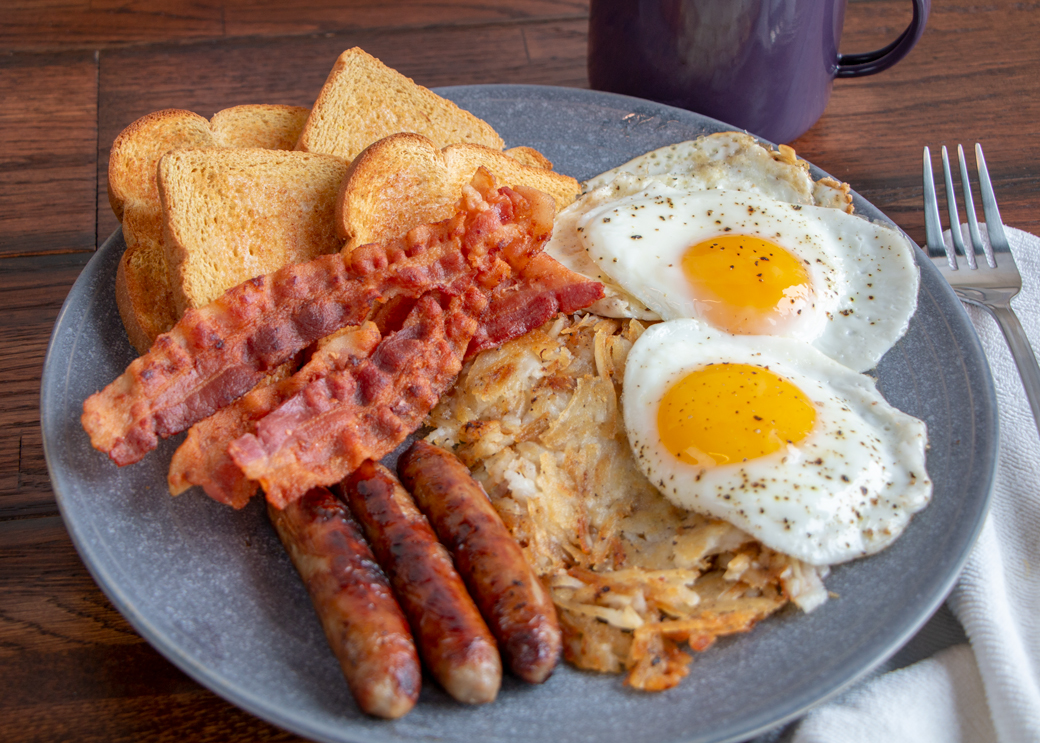
Lumberjack Breakfast: The Hearty Morning Meal Built to Fuel a Long Day
Lumberjack Breakfast
Introduction
If breakfast were a personality, the lumberjack breakfast would be strong, bold, and unapologetically filling. This is not a light bowl of cereal or a quick smoothie on the go. It’s the kind of breakfast that sticks with you—designed to power hard work, cold mornings, and long hours.
Whether you’ve seen it on diner menus or heard the name and wondered what’s in it, this guide breaks down everything you need to know about the classic lumberjack breakfast.
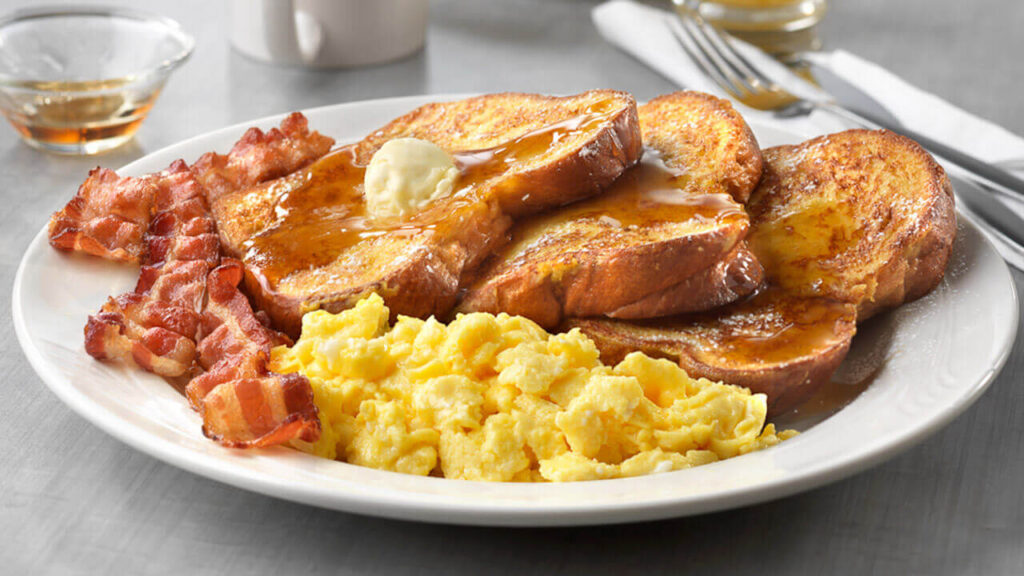
What Is a Lumberjack Breakfast?
A lumberjack breakfast is a large, high-calorie, protein-packed meal traditionally served in diners and cafés. It was inspired by the meals eaten by lumberjacks and other laborers who needed serious energy to get through physically demanding days.
In short: it’s breakfast turned up to eleven.
Typical Lumberjack Breakfast Components
While exact plates vary by region and restaurant, most lumberjack breakfasts include some combination of the following.
Eggs (The Foundation)
Usually served fried, scrambled, or over easy. Eggs provide protein and richness that anchor the entire plate.
Meat: Bacon, Sausage, or Ham
This is where the meal gets its muscle. Thick-cut bacon, sausage links or patties, and sometimes ham are common.
Potatoes or Hash Browns
Crispy hash browns, home fries, or fried potatoes add bulk and long-lasting energy.
Pancakes, Waffles, or French Toast
Many versions include a sweet element—often stacked pancakes or golden waffles—balancing the savory flavors.
Toast or Biscuits
Butter-soaked toast or fluffy biscuits help round out the plate and soak up egg yolk.

Why It’s Called a “Lumberjack” Breakfast
The name comes from historical logging camps, where workers needed massive meals to:
- Stay warm
- Maintain strength
- Work long hours doing heavy labor
The breakfast wasn’t about moderation—it was about survival and stamina.
Calories and Nutrition: What to Expect
High-Calorie by Design
A full lumberjack breakfast can range from 900 to 1,500+ calories, depending on portion size and ingredients.
Macronutrient Breakdown
- Protein: Eggs and meat
- Carbohydrates: Potatoes, pancakes, toast
- Fats: Butter, oils, bacon
It’s not an everyday meal for most people—but it’s incredibly satisfying.
Modern Takes on the Lumberjack Breakfast
Healthier Variations
Some modern versions swap or reduce ingredients:
- Turkey bacon instead of pork
- Whole-grain toast
- Smaller pancake portions
Restaurant Signature Plates
Many diners add local flair—homemade sausages, specialty potatoes, or unique sauces—to make their lumberjack breakfast stand out.
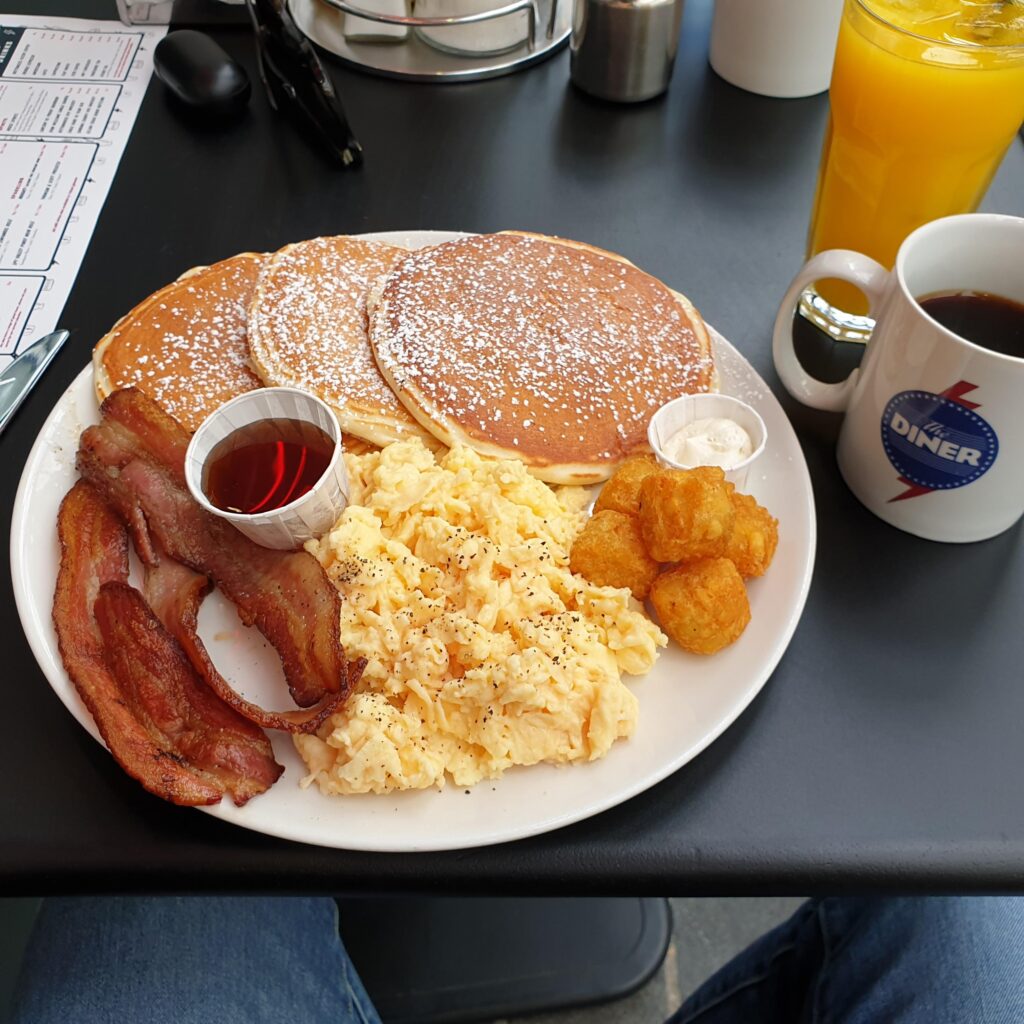
When Is a Lumberjack Breakfast a Good Idea?
This meal shines when:
- You’re facing a physically demanding day
- You’re on a road trip or hiking trip
- You want a long, relaxed brunch
- You’re simply very hungry
It’s less ideal if you plan to sit at a desk all day.
READ ALSO: Nougat-Rev4-Android-Phone
How to Make a Lumberjack Breakfast at Home
Making one at home is straightforward:
- Cook potatoes first (they take the longest)
- Prepare meat next
- Cook eggs to preference
- Finish with pancakes or toast
Serve everything hot and all at once—that’s part of the experience.
Why People Still Love the Lumberjack Breakfast
Comfort Food Appeal
It’s warm, filling, and nostalgic—classic comfort food at its best.
Incredible Value
In diners, it’s often one of the best deals on the menu due to sheer portion size.
No Pretending
The lumberjack breakfast doesn’t try to be trendy or fancy. It knows exactly what it is—and that honesty is refreshing.
Conclusion
The lumberjack breakfast is a celebration of hearty eating. It’s bold, filling, and deeply satisfying—a reminder of a time when breakfast wasn’t rushed and calories were burned through hard work. While it may not fit into everyday routines, it absolutely earns its place as a legendary breakfast option.
FAQs
1. What comes in a traditional lumberjack breakfast?
Eggs, bacon or sausage, hash browns or potatoes, pancakes or toast, and sometimes ham or biscuits.
2. Is a lumberjack breakfast healthy?
It’s high in calories and fat, so it’s best enjoyed occasionally rather than daily.
3. Why is it so filling?
It combines protein, carbs, and fats in large portions—designed for long-lasting energy.
4. Can I make a lighter version at home?
Yes. Use lean meats, smaller portions, and whole-grain options.
5. Is a lumberjack breakfast the same as a farmer’s breakfast?
They’re very similar, both being hearty breakfasts, though names and ingredients may vary by region.